
A practical growth strategy for independent UK motor dealers
For many independent dealers, reaching 10 vehicles in stock is a major milestone. It means the business is operating, customers are coming through the door, and sales are happening consistently enough to keep things moving.
But the next stage — growing from 10 vehicles to 25 — is where a dealership begins to feel like a serious operation.
At this level, stock variety improves, customer choice increases, online visibility expands, and sales potential rises significantly. The challenge, however, is that scaling stock also increases capital pressure, operational complexity, and risk if it is not managed carefully.
The good news is that scaling your dealership does not have to mean overstretching your finances or taking unnecessary risks. With the right approach, independent dealers across the UK can expand their stock levels steadily and sustainably.
This article explores how to grow your dealership from 10 to 25 vehicles without losing control of cash flow, efficiency, or profitability.
Why 25 Cars Is a Strategic Target
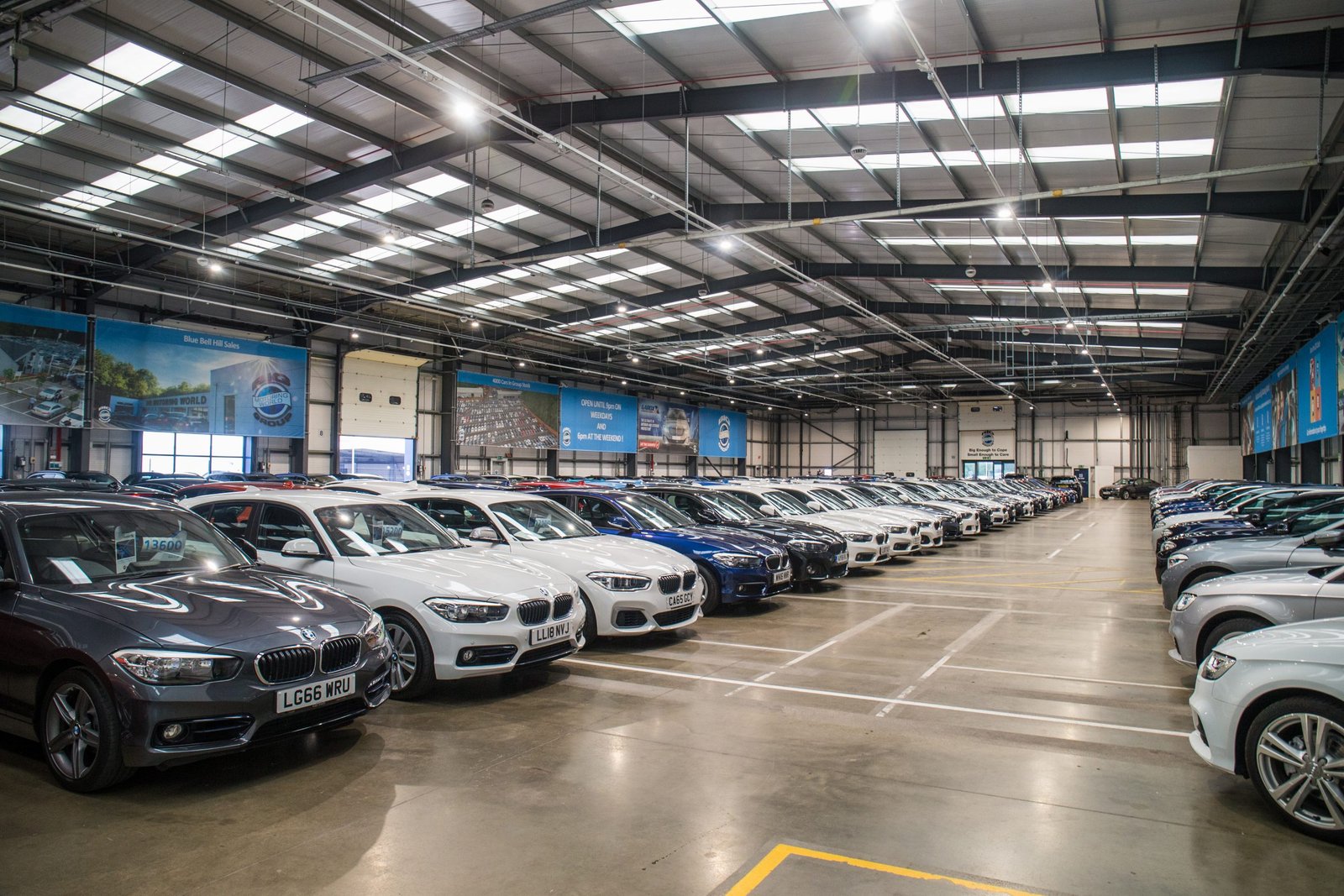
There is a noticeable difference between a forecourt with 10 cars and one with 25.
At around 25 vehicles, several advantages begin to emerge:
More customer choice
Buyers are more likely to find a vehicle that fits their needs when they can compare multiple options in one place.
Stronger online presence
Listings on platforms like AutoTrader perform better when dealers have multiple vehicles advertised at once.
Higher sales frequency
With more vehicles available, the probability of making consistent weekly sales increases.
Improved credibility
Customers often perceive larger stock levels as a sign of stability and professionalism.
However, scaling inventory comes with a fundamental question every dealer must address:
How do you grow stock without draining your working capital?
Step 1: Focus on Stock Turn, Not Just Stock Size
Before increasing inventory, successful dealers focus on stock turn rate.
Stock turn simply means how quickly vehicles sell after arriving on the forecourt.
If cars are sitting for 60–90 days, increasing stock will only multiply the problem. Instead, dealers should aim for vehicles that move within 30–45 days where possible.
To improve stock turn:
- Choose vehicles with strong local demand
- Avoid overly niche models
- Price competitively from day one
- Ensure professional photos and listings
- Prepare vehicles quickly for sale
A smaller stock that moves quickly is far healthier than a larger stock that sits idle.
Once a dealer understands which vehicles sell fastest in their area, scaling becomes much safer.
Step 2: Expand Vehicle Variety
Many smaller dealers make the mistake of stocking too many similar vehicles.
For example:
- Five small hatchbacks
- Three diesel estates
- Two older MPVs
While these vehicles may be affordable to buy, they limit customer choice.
As you scale from 10 to 25 vehicles, variety becomes more important.
A balanced forecourt might include:
- Hatchbacks for first-time buyers
- Small SUVs and crossovers
- Family saloons
- Automatic vehicles
- Petrol and hybrid options
Different vehicle types attract different customer groups, which increases the likelihood of consistent sales.
Step 3: Improve Your Online Listings
Today, most car buyers begin their journey online.
Even for local independent dealers, the quality of your listings directly impacts how quickly vehicles sell.
To improve listing performance:
Use professional photos
Clean backgrounds, consistent angles, and good lighting make a significant difference.
Write clear descriptions
Highlight service history, condition, and key features.
Price competitively
Overpricing vehicles often leads to longer stock days.
Upload quickly
Vehicles should be listed online within 24 hours of arriving where possible.
The faster your cars appear online, the faster they start generating enquiries.
Step 4: Protect Your Cash Flow
One of the biggest barriers to growth for independent dealers is capital pressure.
Buying additional vehicles requires significant upfront funds.
For example:
- 10 cars averaging £4,000 each = £40,000 invested
- 25 cars at the same average = £100,000 invested
That increase in stock can place enormous strain on cash flow, especially if vehicles take time to sell.
To manage this, many growing dealerships explore alternative ways to access stock without tying up large amounts of capital.
Some strategies include:
- Partnering with vehicle placement platforms
- Working with stock funding partners
- Expanding through consignment-style arrangements
These approaches allow dealers to increase available stock while preserving working capital for operations.
Step 5: Improve Vehicle Preparation Speed
Scaling stock also requires improving operational efficiency.
The faster vehicles move from purchase to forecourt, the faster they can be sold.
Dealers aiming to grow their stock should review their preparation process carefully.
Key areas to optimise include:
- Transport and delivery times
- Valeting and detailing turnaround
- Mechanical inspections
- Photography and listing uploads
Every extra day spent preparing a vehicle is one less day it can be marketed.
Efficient preparation allows dealers to maintain higher stock levels without creating bottlenecks.
Step 6: Build a Repeatable Sourcing Strategy
Dealers who scale successfully typically develop a consistent sourcing strategy rather than relying on occasional opportunities.
This means regularly identifying vehicles that match:
- Local demand
- Proven price ranges
- Reliable resale performance
Over time, patterns begin to appear.
For example:
- Certain hatchbacks sell quickly
- Popular family SUVs attract steady interest
- Automatic vehicles may perform better in urban areas
When dealers understand what works in their market, expanding stock becomes far more predictable.
Step 7: Maintain Quality Over Quantity
While increasing stock can drive growth, maintaining quality standards remains essential.
Customers are more likely to trust a dealership where vehicles are:
- Clean and professionally presented
- Properly inspected
- Accurately described
- Competitively priced
Scaling should never mean lowering standards.
In fact, stronger presentation and preparation often become even more important as stock levels increase.
Scaling Smart, Not Just Scaling Fast
Growing a dealership from 10 to 25 vehicles is not simply about buying more cars.
It requires:
- Understanding which vehicles sell best
- Maintaining strong stock turn
- Protecting working capital
- Improving operational efficiency
- Presenting vehicles professionally online
Dealers who approach growth strategically are far more likely to build sustainable businesses.
With the right systems in place, increasing stock does not have to create financial strain or operational pressure.
Instead, it can unlock higher sales volume, stronger visibility, and greater long-term stability.
The Bottom Line
Independent dealers across the UK succeed when they focus on smart growth rather than rapid expansion.
Moving from 10 to 25 vehicles is one of the most important transitions in a dealership’s journey.
When done carefully, it allows dealers to:
- attract more buyers
- increase sales frequency
- build a stronger local reputation
- operate with greater confidence and consistency
The key is to expand in a way that keeps risk low, stock moving, and capital protected.
Because ultimately, successful dealerships are not defined by how many cars they buy — but by how efficiently they sell them.



Leave a Reply